30 days in Japan: Hokkaido to Kyushu
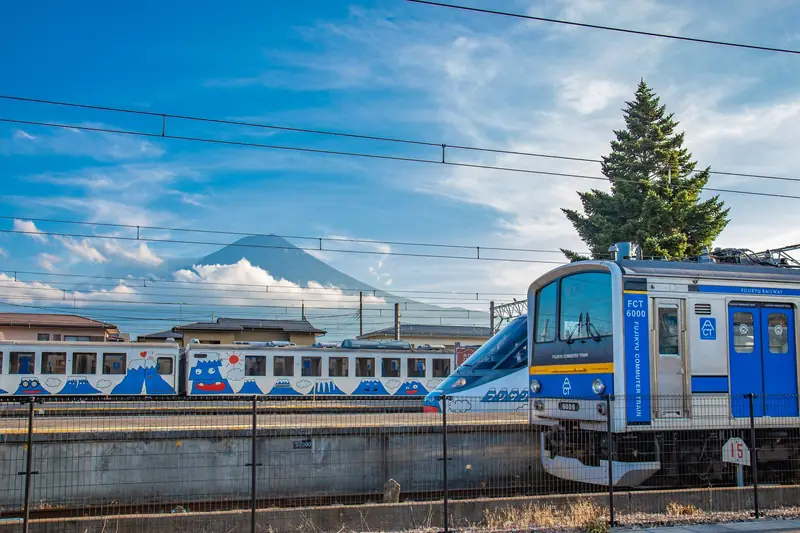
A full month from Hokkaido in the north to Kagoshima in the south, with the Alps and Shikoku's art islands in between.
Route: Sapporo and Hokkaido (3 days), then Tokyo (5 days), then Hakone (1 day), then Matsumoto (2 days), then Takayama (2 days), then Kanazawa (2 days), then Kyoto (4 days), then Osaka (2 days), then Takamatsu and Shikoku (2 days), then Hiroshima and Miyajima (3 days), then Fukuoka (2 days), then Kagoshima (2 days).
Day by day
Day 1: Sapporo and Hokkaido
- Odori Park. The long central park, home of the Sapporo Snow Festival in February.
- Miso ramen. Sapporo is known for rich miso ramen. Follow the queues.
- Day trip to Otaru. A canal town with old warehouses and glass workshops.
Day 2: Sapporo and Hokkaido
- Jozankei Onsen. A hot spring area in a river gorge, inside Sapporo city.
- Susukino. Hokkaido's biggest nightlife district.
- Nijo Market. Crab, sea urchin and seafood rice bowls for breakfast.
Day 3: Sapporo and Hokkaido
Free time to explore at your own pace.
Day 4: Tokyo
Travel: Sapporo and Hokkaido to Tokyo. This leg is not in our verified fare tables yet, so check the operator before you book.
- Senso-ji and Asakusa. Tokyo's oldest temple, reached through the Nakamise shopping street.
- Shibuya Crossing. The famous scramble crossing. Watch it from above at dusk, then wander the side streets.
Day 5: Tokyo
- Meiji Jingu and Harajuku. A shrine in a quiet forest, right next to one of the city's busiest fashion streets.
- Shinjuku after dark. Omoide Yokocho and Golden Gai pack tiny bars and yakitori counters into old alleys.
- Tsukiji Outer Market. Street food and seafood stalls beside the site of the old wholesale market.
Day 6: Tokyo
- Ueno Park and the Tokyo National Museum. Japan's oldest national museum sits in a big park full of other museums.
- Akihabara. Electronics, anime shops and multi-floor game centres.
- Yanaka. Temples, small shops and narrow lanes with an old-Tokyo feel.
Day 7: Tokyo
- Shimokitazawa. Vintage clothing, record shops, small live music venues and cafes.
- Kappabashi Street. The kitchenware street, where restaurants buy knives, bowls and plastic food samples.
- Day trip to Kamakura. The Great Buddha, seaside temples and hiking trails, an easy day trip south of Tokyo.
Day 8: Tokyo
- Mount Takao. A forested hiking mountain reachable by train from Shinjuku, with a temple near the top.
Day 9: Hakone
Travel: Tokyo to Hakone. This leg is not in our verified fare tables yet, so check the operator before you book.
- Lake Ashi. Boats cross the lake, and on clear days Mount Fuji appears behind it.
- Owakudani. A steaming volcanic valley, reached by ropeway, known for eggs boiled black in the hot springs.
Day 10: Matsumoto
Travel: Hakone to Matsumoto. This leg is not in our verified fare tables yet, so check the operator before you book.
- Matsumoto Castle. A black original castle keep, designated a National Treasure.
- Kamikochi. An alpine valley with river walks under high peaks. Open roughly spring to autumn only, so check dates.
Day 11: Matsumoto
- Daio Wasabi Farm. Wasabi fields fed by clear spring water in nearby Azumino.
- Nakamachi Street. White-walled old storehouses turned into shops and cafes.
Day 12: Takayama
Travel: Matsumoto to Takayama. This leg is not in our verified fare tables yet, so check the operator before you book.
- Sanmachi Suji. The old town of dark wooden merchant houses and sake breweries.
- Morning markets. Local farmers and craft stalls along the river in the morning.
Day 13: Takayama
- Hida beef. The local wagyu, served as sushi, skewers or grilled at your table.
- Day trip to Shirakawa-go. A UNESCO-listed village of steep thatched gassho-zukuri farmhouses.
- Hida Folk Village. An open-air museum of traditional farmhouses from the region.
Day 14: Kanazawa
Travel: Takayama to Kanazawa. This leg is not in our verified fare tables yet, so check the operator before you book.
- Kenroku-en. Counted among Japan's three great gardens, beside Kanazawa Castle Park.
- Higashi Chaya district. Preserved teahouse streets. Look out for gold leaf, a Kanazawa craft.
Day 15: Kanazawa
- Omicho Market. Seafood bowls and fresh crab in season at the city's main market.
- 21st Century Museum of Contemporary Art. A round glass museum, famous for its swimming pool installation.
- Nagamachi. The old samurai district, with earthen walls and canals.
Day 16: Kyoto
Travel: Kanazawa to Kyoto. This leg is not in our verified fare tables yet, so check the operator before you book.
- Fushimi Inari Taisha. Thousands of red torii gates climb Mount Inari. The higher you go, the quieter it gets.
- Kiyomizu-dera and Higashiyama. A wooden temple stage over the hillside, then the old sloping lanes below it.
Day 17: Kyoto
- Arashiyama. The bamboo grove, Tenryu-ji temple and the river, on the western edge of the city.
- Kinkaku-ji. The Golden Pavilion, covered in gold leaf and reflected in its pond.
- Gion in the evening. The old teahouse district. Some private lanes ban photography, so look for the signs.
Day 18: Kyoto
- Nishiki Market. A long covered market of pickles, sweets and snacks, often called Kyoto's kitchen.
- Philosopher's Path. A canal-side walk past small temples, best in cherry blossom and autumn seasons.
- Pontocho. A narrow lane of restaurants and bars along the Kamo River.
Day 19: Kyoto
- Day trip to Nara. Todai-ji's giant bronze Buddha and the free-roaming deer of Nara Park.
- Uji. A green tea town, home to Byodo-in, the temple pictured on the 10 yen coin.
- Kurama to Kibune hike. A forest trail between two mountain villages north of the city.
Day 20: Osaka
Travel: Kyoto to Osaka, ¥2,880 (US$18) per adult, one way. Source: Smart EX service price list (Nozomi, reserved, regular season; PDF dated 1 April 2025).
- Dotonbori. The neon canal street. Try takoyaki and okonomiyaki from the stalls.
- Osaka Castle. A reconstructed keep with a museum inside, surrounded by a large park and moats.
Day 21: Osaka
- Kuromon Market. Seafood, fruit and grilled snacks along a covered market street.
- Shinsekai. A retro district under Tsutenkaku Tower, known for deep-fried kushikatsu.
- Umeda Sky Building. An open-air observation deck between two towers.
Day 22: Takamatsu and Shikoku
Travel: Osaka to Takamatsu and Shikoku. This leg is not in our verified fare tables yet, so check the operator before you book.
- Ritsurin Garden. A large landscape garden with ponds and pine-covered hills.
- Naoshima. An art island with museums designed by Tadao Ando. Book timed tickets ahead.
Day 23: Takamatsu and Shikoku
- Sanuki udon. Kagawa is famous for chewy udon, often eaten at simple self-service shops.
- Kotohira-gu. A mountain shrine reached by a long climb of stone steps.
Day 24: Hiroshima and Miyajima
Travel: Takamatsu and Shikoku to Hiroshima and Miyajima. This leg is not in our verified fare tables yet, so check the operator before you book.
- Peace Memorial Park and Museum. The A-Bomb Dome and the museum. Allow time, it is emotionally heavy.
- Miyajima. Itsukushima Shrine's torii appears to float at high tide. Check the tide times.
Day 25: Hiroshima and Miyajima
- Mount Misen. The hike or ropeway to the top of Miyajima gives views over the Inland Sea.
- Hiroshima okonomiyaki. Layered with noodles, unlike the Osaka version. Okonomimura has floors of counters.
- Shukkeien. A compact landscape garden with a pond and teahouse near the station.
Day 26: Hiroshima and Miyajima
Free time to explore at your own pace.
Day 27: Fukuoka
Travel: Hiroshima and Miyajima to Fukuoka, ¥9,430 (US$60) per adult, one way. Source: Smart EX service price list (Nozomi, reserved, regular season; PDF dated 1 April 2025).
- Yatai food stalls. Open-air stalls that set up in the evening, serving ramen and grilled skewers.
- Hakata ramen. Rich tonkotsu pork broth with thin noodles, born in this city.
Day 28: Fukuoka
- Dazaifu Tenmangu. A major shrine dedicated to scholarship, a short train ride away.
- Ohori Park. A large park around a lake, next to the castle ruins.
Day 29: Kagoshima
Travel: Fukuoka to Kagoshima, ¥11,950 (US$76) per adult, one way. Source: NAVITIME Shinkansen fare table (regular reserved fare, effective 14 March 2026).
- Sakurajima. Take the ferry across to walk lava fields on an active volcano.
- Sengan-en. A former lord's garden that borrows the volcano as its backdrop.
Day 30: Kagoshima
- Ibusuki sand baths. Be buried in naturally heated sand by the sea, south of the city.
- Kurobuta pork and shochu. Kagoshima is known for black pork and sweet potato shochu.
Train fares on this route
Sourced long-distance legs add up to ¥24,260 (US$154) per adult, one way each. Not included because we have not verified them yet: Sapporo and Hokkaido to Tokyo, Tokyo to Hakone, Hakone to Matsumoto, Matsumoto to Takayama, Takayama to Kanazawa, Kanazawa to Kyoto, Osaka to Takamatsu and Shikoku, Takamatsu and Shikoku to Hiroshima and Miyajima. Compare that with a JR Pass (7 days ¥50,000, 14 days ¥80,000, 21 days ¥100,000, from the Official Japan Rail Pass price page), and remember the pass needs a special extra ticket on Nozomi trains.
Opening hours and entry prices change, so check each sight's official site before you go. For room prices see accommodation costs in Japan, or build a full estimate in the trip planner and the budget calculator.
Fares last checked 2026-10-22. Smart EX prices come from a PDF dated 1 April 2025 and may have changed.