Japan tips: etiquette and culture
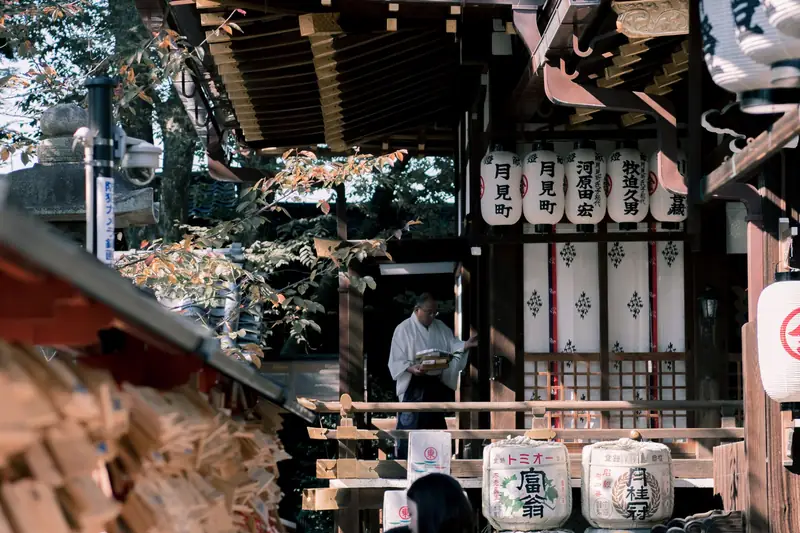
Nobody expects a visitor to know every rule. JNTO's own line is that politeness and common sense go a long way. These are the habits that make the biggest difference.
1.A small bow is enough
You will be bowed at far more than you are expected to bow. A slight nod with your "arigato" is a nice touch.
Source: JNTO: Custom and manners. Last checked 2026-10-22.
2.Shoes off where you see a step up
At a ryokan you take your shoes off at the entrance. The same goes for many homes, temples and some restaurants. If there are slippers lined up, that is your cue.
Source: JNTO: Custom and manners. Last checked 2026-10-22.
3.Shrines and temples: bow, purify, pray
Bow at the gate, rinse your hands at the water basin, and pray quietly. Do not run, shout or take photos where it is not allowed.
Source: JNTO: 10 Smart Travel Tips for Japan (2026 PDF). Last checked 2026-10-22.
4.Carry your rubbish
Public bins are hard to find. Bring a small bag and take your rubbish with you until you find a proper bin.
Source: JNTO: 10 Smart Travel Tips for Japan (2026 PDF). Last checked 2026-10-22.
5.Ask before you photograph people
Ask first before taking photos of people or private spaces, and respect signs that ban photography inside sacred or restricted areas.
Source: JNTO: 10 Smart Travel Tips for Japan (2026 PDF). Last checked 2026-10-22.
6.Slurping is fine
Slurping noodles is normal in Japan. Sushi can be eaten with your hands. If you struggle with chopsticks, ask, but traditional places may not have an alternative.
Source: JNTO: Custom and manners. Last checked 2026-10-22.
7.Ryokan rules are on the wall
Ryokan communal baths usually post their dos and don'ts. Yukata and slippers can sometimes be worn outside the room and sometimes not. If in doubt, ask the staff.
Source: JNTO: Custom and manners. Last checked 2026-10-22.
Put it in your budget. Add fares, rooms and daily spending in one place.
Open the trip budget calculator