Japan tips: seasons and weather
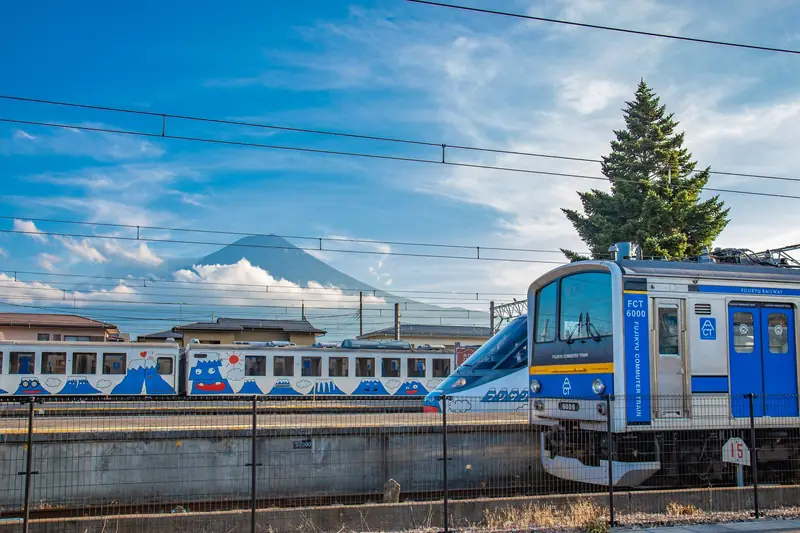
Japan changes a lot through the year. Timing your trip around the seasons is the cheapest upgrade there is.
1.Use the official blossom forecast
Cherry blossoms open at different times across the country. JNTO publishes a forecast each spring, which is far better than guessing from last year.
Source: JNTO: Cherry blossom forecast. Last checked 2026-10-22.
2.Autumn leaves have a forecast too
JNTO runs an autumn leaves forecast as well. In Tokyo, the colour usually peaks later than first-timers expect, so check before booking.
Source: JNTO: Autumn leaves forecast. Last checked 2026-10-22.
3.June is rainy season
The rainy season sweeps north through Japan in June, starting and ending earlier in the south. Hokkaido is relatively unaffected.
Source: JNTO: Japan in June. Last checked 2026-10-22.
4.Plan a Plan B for typhoons
Most typhoons form between July and October. They mainly affect Okinawa and Kyushu, but Tokyo is not immune. Trains can be suspended, and storms usually pass within a day.
Source: JNTO: Weathering typhoons in Japan. Last checked 2026-10-22.
5.Mount Fuji climbing season is summer
The climbing season runs from July to September. Many climbers hike overnight to reach the summit for sunrise.
Source: JNTO: Entertainment and nightlife. Last checked 2026-10-22.
6.Festivals follow the calendar
Summer brings fireworks and shrine festivals; winter has snow festivals. JNTO keeps a festivals and events listing worth checking against your dates.
Source: JNTO: Festivals and events. Last checked 2026-10-22.
Put it in your budget. Add fares, rooms and daily spending in one place.
Open the trip budget calculator